Oracle Fusion Cloud Supply Chain Planning
Oracle Fusion Cloud Supply Chain Planning combines demand insights, supply constraints, and stakeholder input to align product, demand, supply, workforce, and sales plans with an organization’s operational and financial objectives. It unifies enterprise planning with built-AI and agentic applications to forecast and segment demand, and manage inventory to improve profitability and customer service.
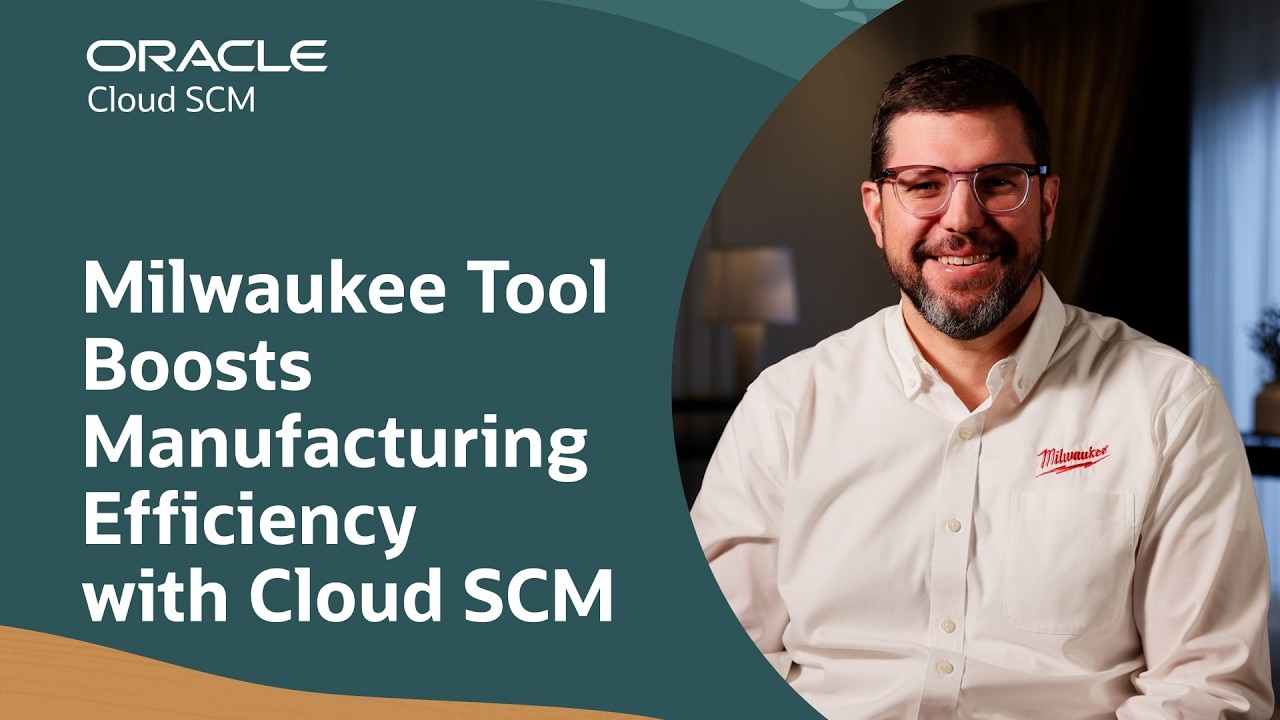
Customers who run mission-critical business functions using Oracle Supply Chain Planning
Explore Oracle Supply Chain Planning
Sense, predict, and shape demand with AI
- Integrate internal, customer, and market signals to create a comprehensive view of demand.
- Segment and analyze demand using KPIs, business rules, and documented user input to support planning.
- Use machine learning and advanced forecasting methods to improve prediction accuracy and manage variability.
- Simulate scenarios, forecast new products, and support collaborative demand planning to align teams with business objectives.
- Automate continuous replenishment and tailor inventory policies by demand segment.
Create supply plans that adapt to change and disruptions
- Plan supply, schedule production, and manage backlogs to support faster decisions.
- Balance global demand and supply, proactively revising plans to minimize shortages and overloads across the supply chain.
- Align business segments and improve shop floor throughput with high-quality, dynamic, executable schedules.
- Use real-time analytics and simulations to analyze performance, diagnose issues, and adjust to changing conditions.
- Manage open orders and order backlogs, prioritize fulfillment, and respond to disruptions quickly.
Integrate business planning, tactical planning, and execution
- Connect strategy and operations with a continuous S&OP process that quickly balances demand and supply.
- Build consensus by aligning finance and material planning, using scenario evaluation to improve plans.
- Monitor S&OP issues, resolve them collaboratively, and analyze performance with actionable insights.
- Improve long-term resource planning and link S&OP decisions to sales and operations execution.
- Use best practices and collaboration tools to manage the product portfolio and engage global teams and partners.
Collaborate with trading partners
- Collaborate with suppliers and distributors on forecasts, order commits, and contract manufacturing updates.
- Support vendor-managed inventory, monitor performance metrics, and resolve forecast and inventory threshold issues collaboratively.
- Synchronize data, automate B2B transactions, and connect with supply and partner networks to streamline communication.
- Get real-time, end-to-end supply chain visibility using analytics, web services, and predictive technologies.
- Track, analyze, and manage supply chain activities and partner relationships to respond proactively and improve performance.
See Oracle Supply Chain Planning in action
Explore key capabilities that help streamline planning processes and align supply with demand in real time. Discover tools that help businesses reduce complexity and stay ahead in a rapidly changing market.
Benefits of Oracle Supply Chain Planning
1
Use AI-driven supply planning
Oracle Supply Planning detects demand compression and shortage risks, prioritizes and reroutes supply to limit impacts, and uses hybrid constraint-based planning to suggest substitutes or alternate suppliers and enable dynamic production scheduling to protect commitments.
2
Automatically respond to demand and supply changes
Oracle Demand Management uses AI and machine learning to analyze demand signals, detect trends and disruptions, and generate accurate forecasts. Automated self-tuning models help reduce manual effort and improve responsiveness to market changes.
3
Align plans with continuous planning
Oracle Sales and Operations Planning aligns plans across sales, marketing, finance, and supply chain operations. Businesses can balance aggregate supply and demand and optimize usage and investment decisions, across the enterprise.
4
Connect planning and execution across partners
Oracle Supply Chain Collaboration enables joint planning and real-time visibility into inventory, capacity, and order status across the network to support coordinated execution from planning to fulfillment and strengthen partner collaboration.
AI highlights in Oracle Supply Chain Planning
See more AI Agents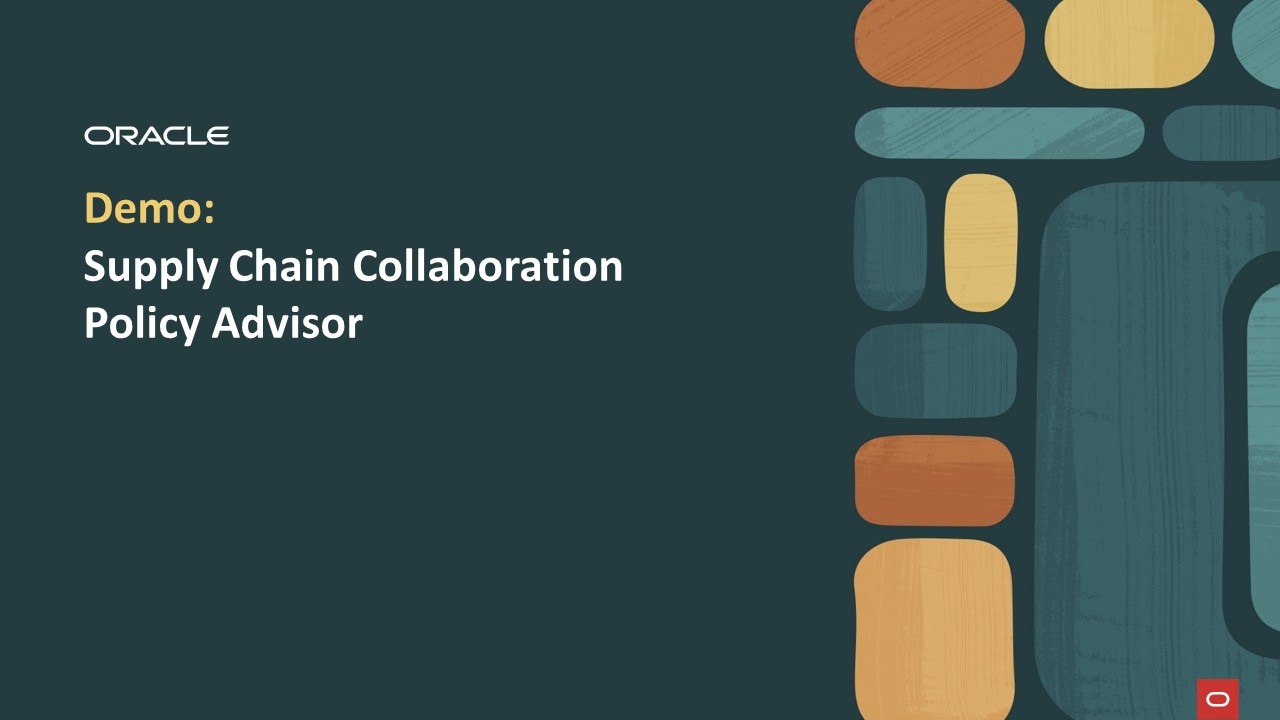
Supply Chain Collaboration Policy Advisor
Get quick access to company policies and guidelines to make better decisions.

Supply Chain Planning AI Advisor
Summarizes important data quality issues in a supply plan so planners can resolve problems with less effort.
What analysts say about Oracle Supply Chain Planning
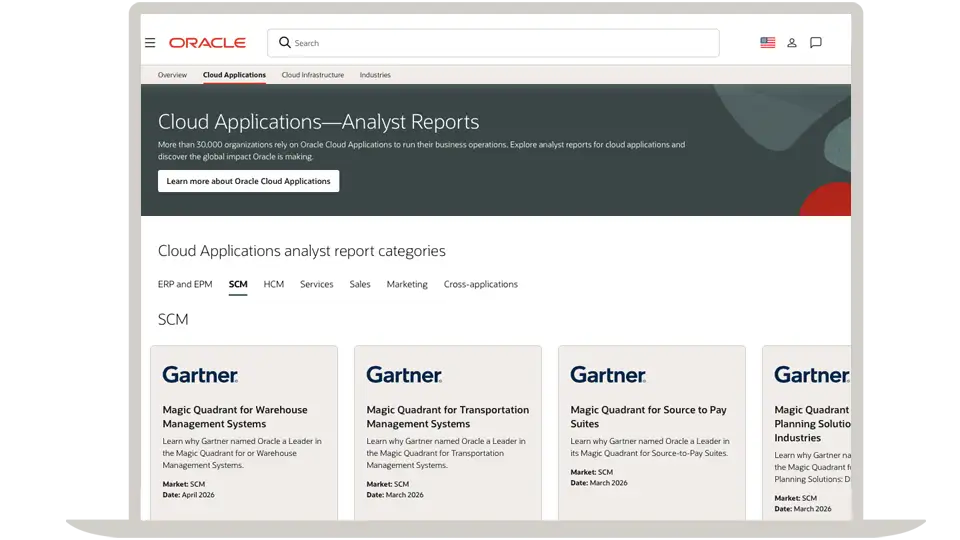
Oracle Fusion Cloud Supply Chain Planning can help improve demand forecasting, supply planning, inventory optimization, and production planning using built-in AI, scenario modeling, and predictive insights. Learn why Oracle is named a Leader in Gartner® Magic Quadrant™ for Supply Chain Planning Solutions: Discrete Industries and Process Industries.
Customers using Oracle Supply Chain Planning


Oracle Supply Chain Planning resources
- Communities and support
- Additional resources
Get started with Oracle Supply Chain Planning
Oracle Fusion Cloud Supply Chain Planning FAQs
Open all Close allProduct overview
- What is Oracle Fusion Cloud Supply Chain Planning?
- What is Oracle Fusion Cloud Supply Chain Planning used for?
- Who is Oracle Fusion Cloud Supply Chain Planning for?
- What problems does Oracle Fusion Cloud Supply Chain Planning help solve?
Product family and capabilities
- What capabilities are included in Oracle Fusion Cloud Supply Chain Planning?
- Is Oracle Fusion Cloud Supply Chain Planning only a forecasting tool?
- Does Oracle Fusion Cloud Supply Chain Planning support sales and operations planning?
- Does Oracle Fusion Cloud Supply Chain Planning support supply chain collaboration with external partners?
Data, analytics, and integrations
- What data does Oracle Fusion Cloud Supply Chain Planning use?
- How does Oracle Fusion Cloud Supply Chain Planning connect planning with operations and finance?
- What analytics does Oracle Fusion Cloud Supply Chain Planning provide for planners?
- Does Oracle Fusion Cloud Supply Chain Planning provide supply chain visibility?
AI and automation
- Does Oracle Fusion Cloud Supply Chain Planning use AI?
- What does AI automate or assist within Oracle Fusion Cloud Supply Chain Planning?
- What planning decisions still require human review in Oracle Fusion Cloud Supply Chain Planning?
- Can customers extend AI agents for supply chain planning?
Implementation, fit, and buyer questions
- What should organizations have in place before implementing Oracle Fusion Cloud Supply Chain Planning?
- Does Oracle Fusion Cloud Supply Chain Planning replace ERP, execution, or financial planning systems?
- What types of organizations are a good fit for Oracle Fusion Cloud Supply Chain Planning?
*Gartner, Magic Quadrant for Supply Chain Planning Solutions: Discrete Industries; Joe Graham, Pia Orup Lund, Buse Aras, Julia von Massow, Eva Dawkins, Jan Snoeckx, 18 March 2026.
*Gartner, Magic Quadrant for Supply Chain Planning Solutions: Process Industries; Pia Orup Lund, Joe Graham, Buse Aras, Jan Snoeckx, Eva Dawkins, Julia von Massow, 18 March 2026.
This graphic was published by Gartner, Inc. as part of a larger research document and should be evaluated in the context of the entire document. The Gartner document is available upon request from Oracle. Gartner does not endorse any vendor, product or service depicted in its research publications, and does not advise technology users to select only those vendors with the highest ratings or other designation. Gartner research publications consist of the opinions of Gartner's research organization and should not be construed as statements of fact. Gartner disclaims all warranties, expressed or implied, with respect to this research, including any warranties of merchantability or fitness for a particular purpose. GARTNER is a registered trademark and service mark, and MAGIC QUADRANT is a registered trademark of Gartner, Inc. and/or its affiliates in the U.S. and internationally and are used herein with permission. All rights reserved.